

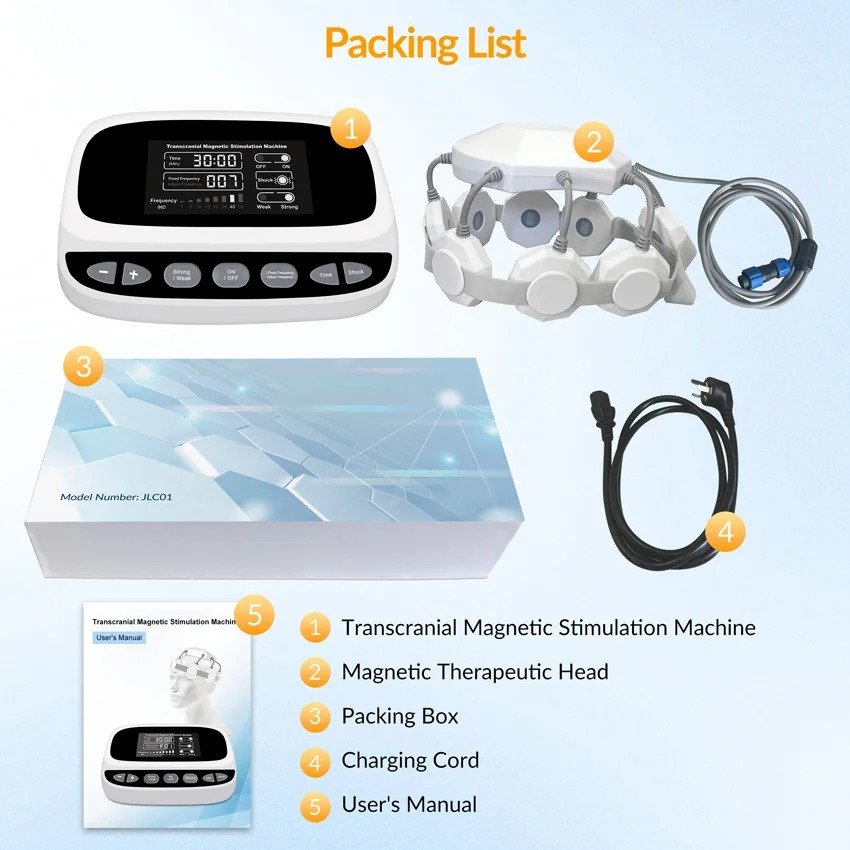
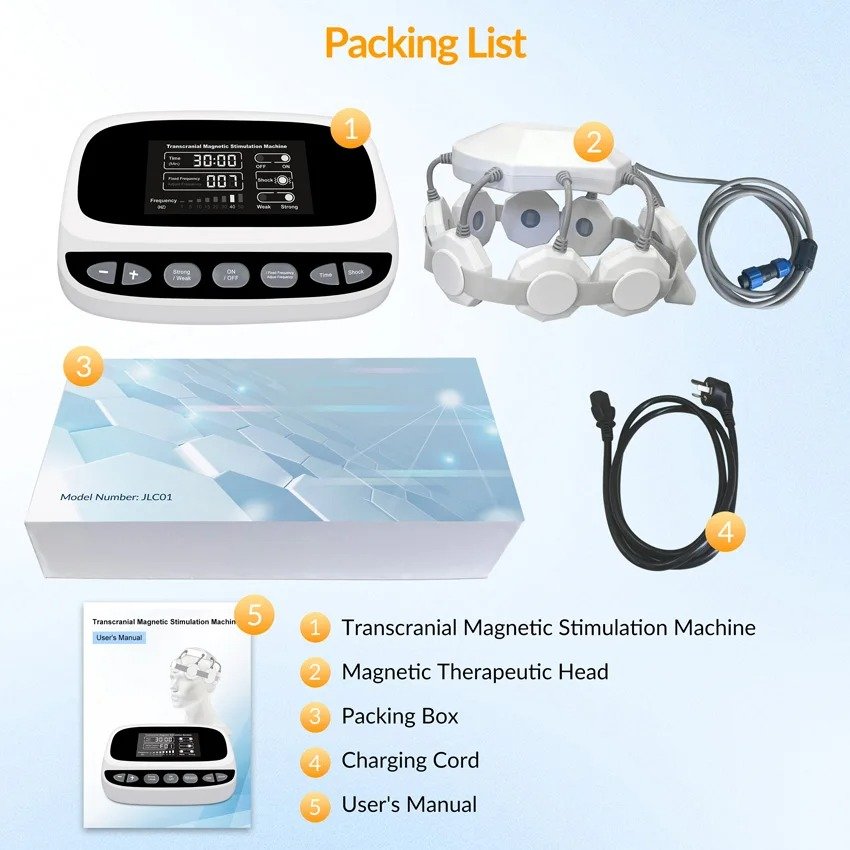


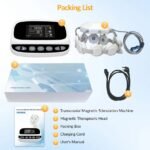
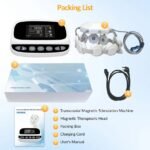
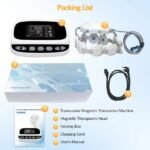
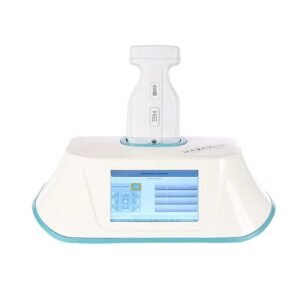
Transcranial Magnetic Stimulation Therapy Device
About product
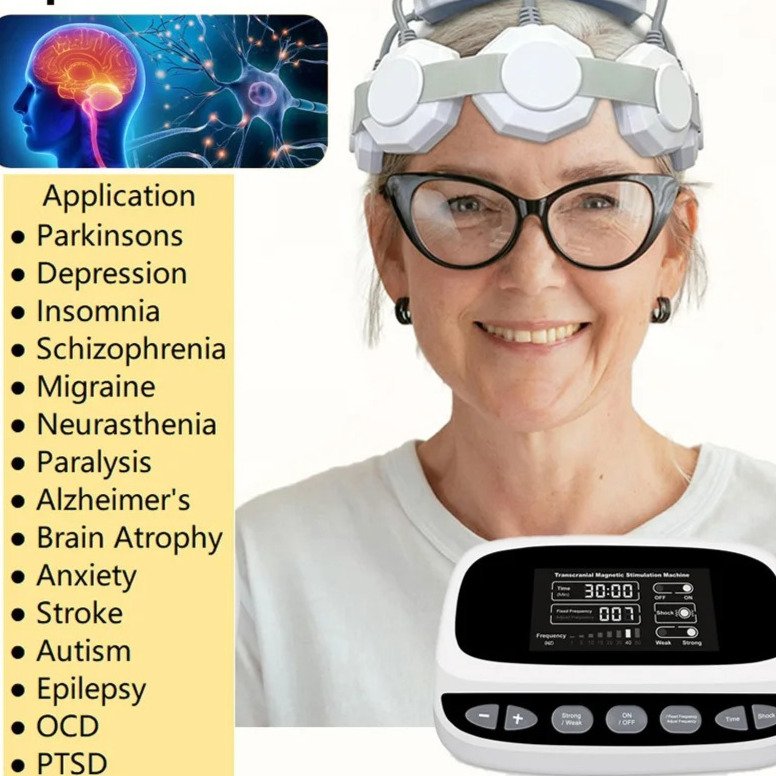
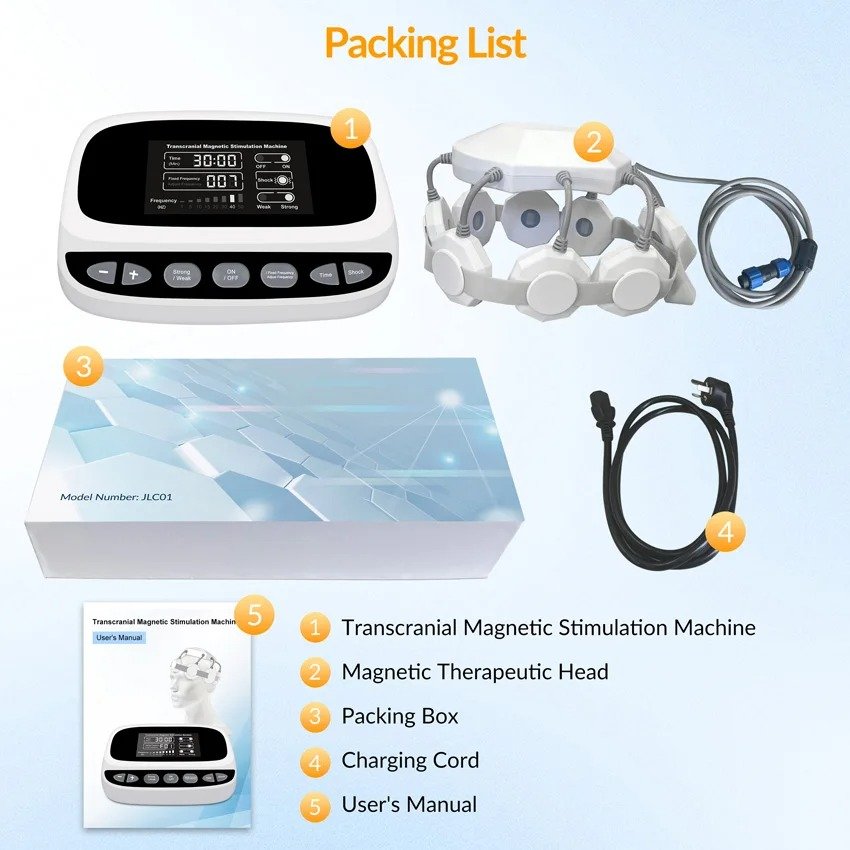
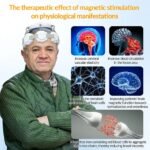
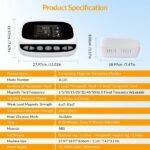
This transcranial magnetic stimulation device is designed for professional clinical and research settings where non-invasive magnetic stimulation is used under appropriate medical supervision. It delivers controlled magnetic pulses to targeted areas of the head without requiring surgical intervention.
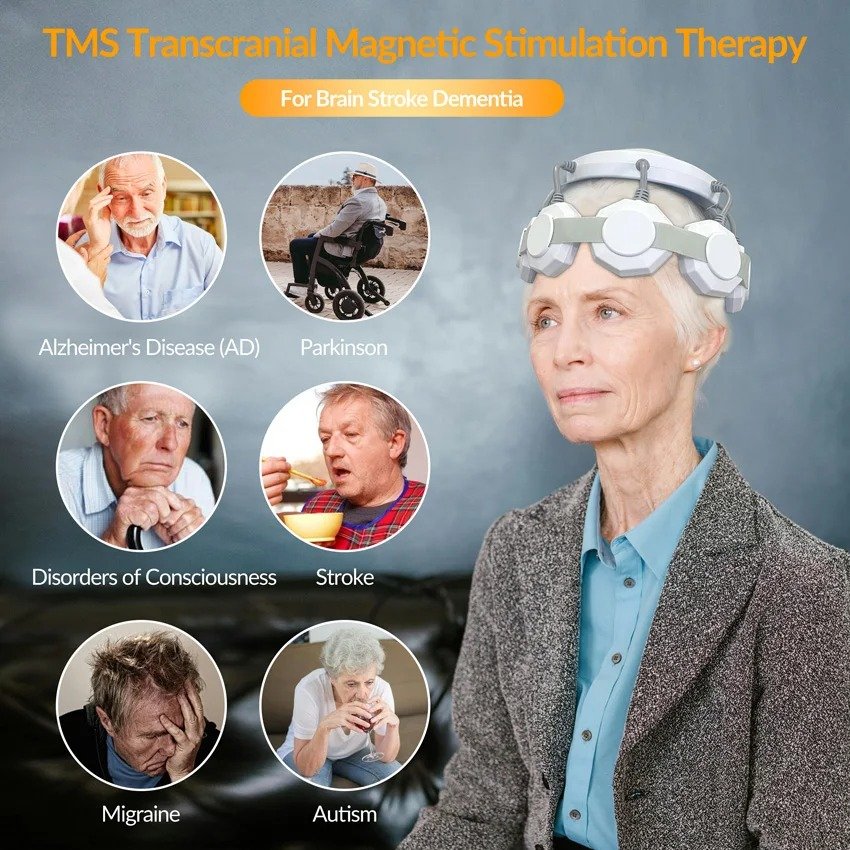
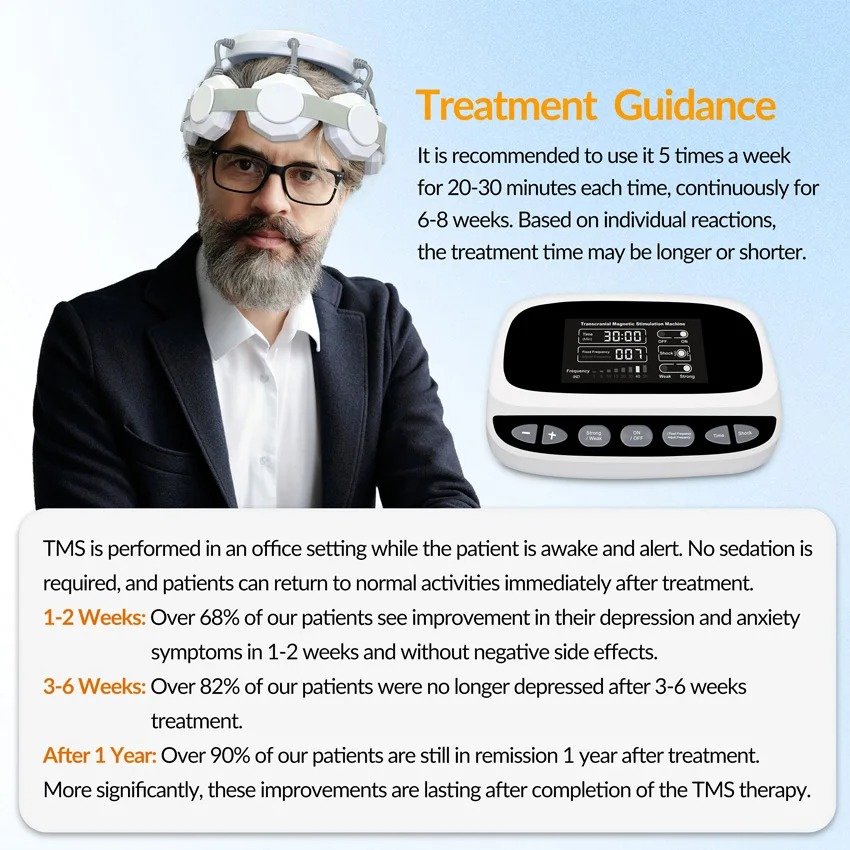
The device is intended for use by appropriately trained professionals following established clinical protocols. Magnetic stimulation technology is researched and used in certain neurological and psychiatric applications, but suitability, treatment settings and expected outcomes vary depending on the individual and the specific clinical indication.
This is a specialised medical device and should not be used as a home treatment without qualified professional supervision. Individuals considering magnetic stimulation for conditions such as depression, anxiety, insomnia or neurological disorders should consult an appropriately qualified healthcare professional to determine whether this type of treatment is suitable.
Benefits
- Designed for transcranial magnetic stimulation applications
- Non-invasive magnetic stimulation technology
- Intended for professional clinical environments
- Supports controlled magnetic pulse delivery
- Suitable for qualified medical and research professionals
- Designed for targeted stimulation protocols
- Useful for neurological and psychiatric research applications
- Professional-grade treatment and research equipment
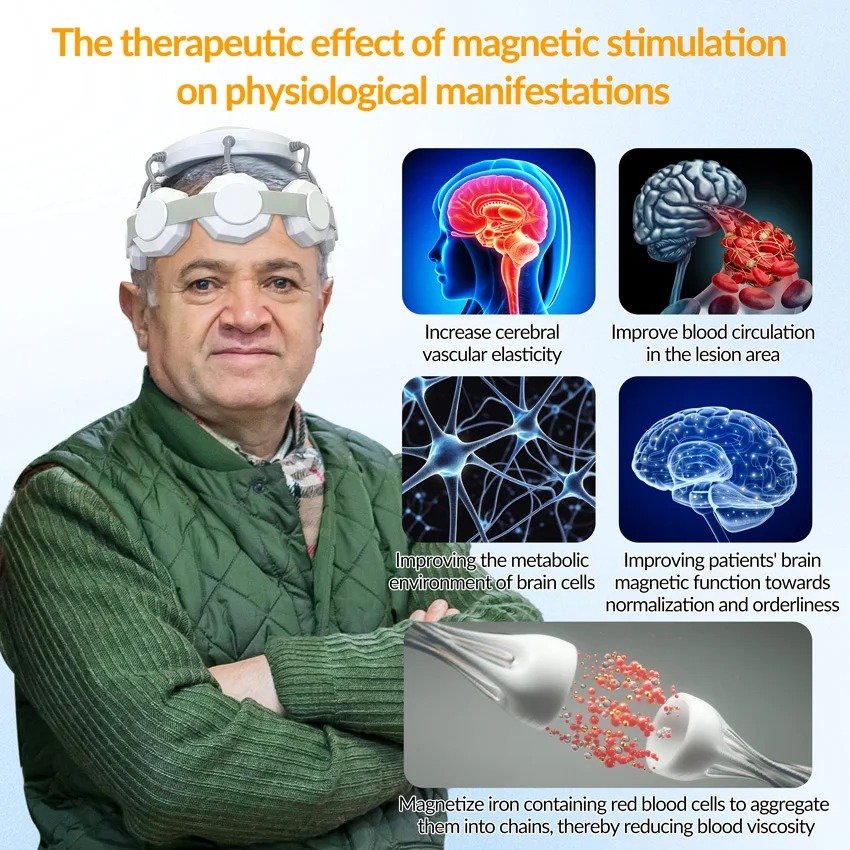
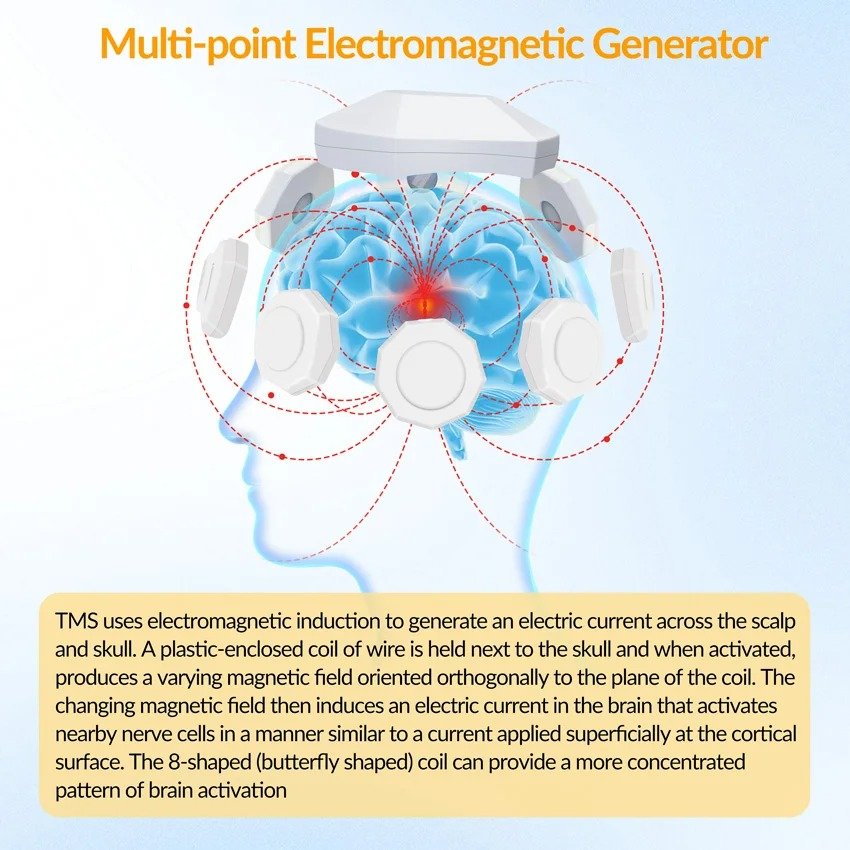
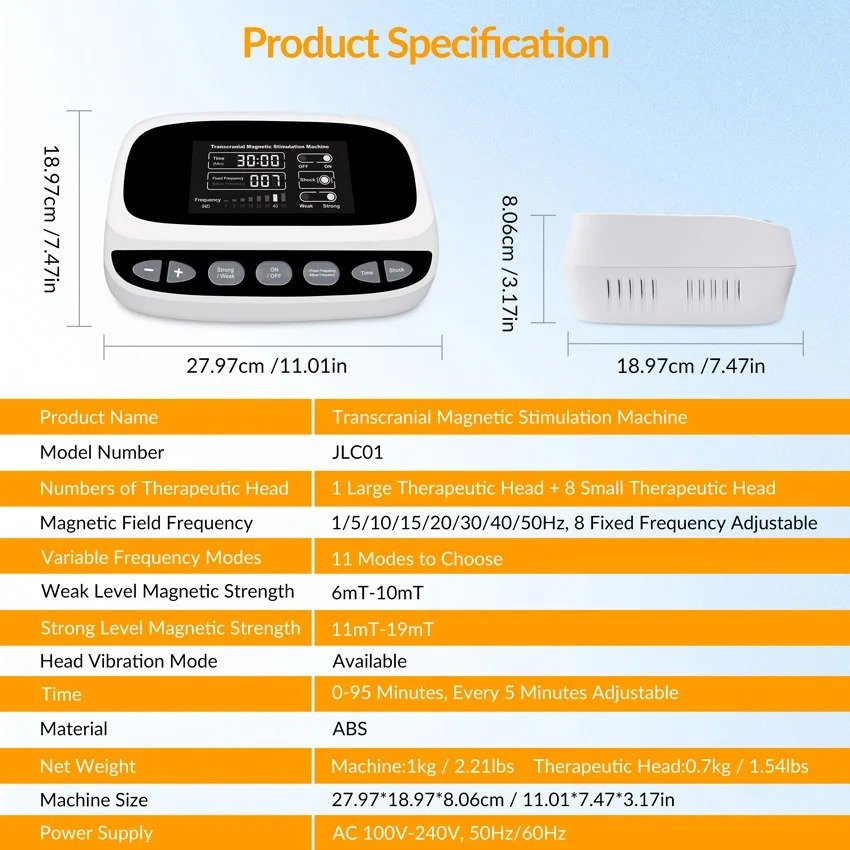
A: Transcranial magnetic stimulation (TMS) uses controlled magnetic pulses to stimulate specific areas of the brain without surgical intervention.
A: It is designed for professional TMS applications and research. Specific treatment use should be determined by a qualified healthcare professional.
A: TMS has been studied and used clinically for certain conditions, but this device should not be promoted as a guaranteed treatment or cure. A qualified clinician must determine whether TMS is appropriate for a particular condition.
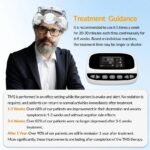
A: It is intended for professional use and should only be operated by appropriately trained personnel according to applicable clinical guidance and the manufacturer's instructions.
A: TMS is generally considered a non-invasive form of brain stimulation because it does not require surgery or implantation.
A: It should be operated by appropriately trained healthcare or research professionals who understand TMS procedures, safety requirements and contraindications.






Reviews
There are no reviews yet.